


Uploaded on - 4 April 2026
Not all cockpit displays are created for the same purpose. What looks like a similar screen in two aircraft can be built for completely different realities. A commercial pilot needs clarity, consistency, and reliability over long hours. A military pilot, on the other hand, may rely on the same display while flying in extreme conditions, under pressure, and in rapidly changing environments. This difference changes everything, from how the display is built to how it behaves in critical situations. For buyers working with an Avionics Display Distributor in India, understanding this distinction is not optional. It directly impacts system compatibility, performance, and long-term operational reliability.
This guide explains the real differences between military and commercial avionics displays in a clear, practical way so you can make informed decisions based on application, not assumptions.
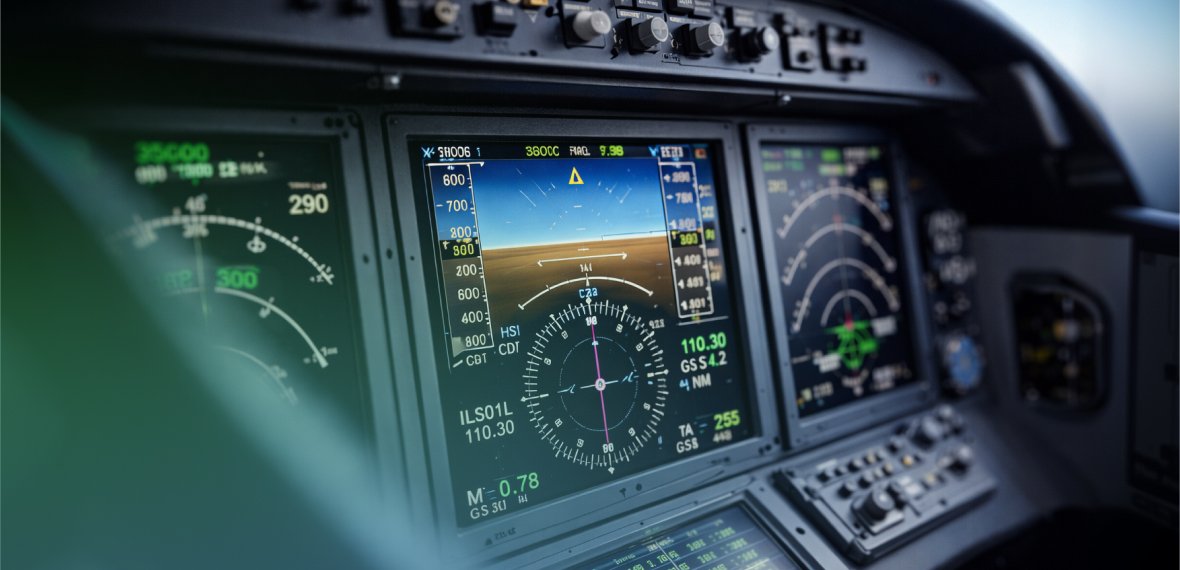
Avionics displays are the primary visual interface between the aircraft and the pilot. They replace traditional analog instruments and present real-time data such as:
Modern cockpits rely on integrated display systems, often called glass cockpits, where multiple functions are consolidated into fewer, more advanced screens.
These displays are not just for showing data. They help pilots interpret situations, prioritize actions, and make decisions quickly.
The core difference lies in how each type of aircraft operates.
Military aircraft operate in unpredictable and high-risk environments. Displays must support:
The focus is on performance under stress.
Commercial aircraft operate under strict regulations and predictable environments. Displays must support:
The focus is on consistency and reliability.
This difference in context drives every technical and design choice.
Acoording to avionics display distributor in India Military avionics displays are engineered to perform under harsh conditions such as:
Commercial displays operate in controlled cockpit environments and are not required to handle the same level of stress.
Why this matters
Using a commercial display in a high-stress environment can lead to early failure or degraded performance.
Military displays must remain visible in all lighting conditions, including:
They are designed with higher brightness levels and specialized coatings.
Commercial displays focus on:
Practical insight
A display optimized for comfort may not perform well in extreme visibility conditions, and vice versa.
Military displays are part of complex, mission-driven systems. They often integrate with:
This requires high flexibility and customization.
Commercial displays integrate with standardized systems such as:
Key takeaway
Military systems demand adaptability. Commercial systems demand stability.
Commercial avionics displays must meet strict civil aviation regulations. These ensure:
Military systems follow defense-specific standards, which prioritize operational capability and performance.
Important note
Certification processes can influence both cost and development timelines, especially in commercial aviation.
Military avionics systems are often designed with long-term adaptability in mind. They allow:
Commercial systems are designed for:
Real-world implication
Military systems evolve over time. Commercial systems prioritize consistency across fleets.
Military displays are typically more expensive due to:
Commercial displays benefit from:
Insight
Lower upfront cost does not always mean better value. The right choice depends on the operational requirement.
Even experienced buyers sometimes overlook key factors when selecting avionics displays.
Specifications do not always reflect real-world performance. Environmental testing and integration capability matter just as much.
A display suitable for commercial aviation may fail in military conditions due to environmental limitations.
Displays must work seamlessly with existing systems. Compatibility issues can delay projects and increase costs.
Post-deployment support, spare parts availability, and upgrade capability are critical for long-term success.
Instead of asking which display is better, the better question is:
Which display is better for your specific environment and mission?
Consider:
This approach leads to better long-term decisions than comparing features alone.
Military and commercial avionics displays may appear similar on the surface, but they are built for entirely different realities. One prioritizes adaptability, resilience, and performance under pressure. The other focuses on safety, consistency, and regulatory compliance. Understanding this distinction is essential for making the right choice. When evaluated correctly, avionics displays become more than just hardware. They become a critical part of operational success. Choosing based on application, not assumption, is what separates a functional system from a reliable one.
FAQ
What is the biggest difference between military and commercial avionics displays?

The biggest difference is the operating environment. Military displays are built for extreme conditions and mission flexibility, while commercial displays focus on safety, consistency, and regulatory compliance.
This affects everything from durability to system integration and overall design philosophy.
Can commercial avionics displays be used in defense applications?
In most cases, commercial displays are not suitable for defense applications. They are not designed to handle extreme environmental conditions or integrate with complex military systems.
Specialized military-grade displays are required for such use cases.
Why are military avionics displays more complex?
Military displays must process and present more dynamic information, often in high-pressure situations. They also need to integrate with multiple advanced systems such as radar and mission computers.
This complexity increases both design requirements and cost.
How do I choose a reliable avionics display supplier?
Look for suppliers with proven experience, strong technical support, and access to certified components. They should understand both the technical and operational requirements of your application.
Working with an experienced Avionics Display Distributor in India helps ensure reliability and long-term support.
Are avionics displays customizable?
Yes, especially in military applications. Displays can be customized based on mission requirements, system integration needs, and user interface preferences.
Commercial displays are generally less customizable due to standardization requirements.