


Uploaded on - 6 March 2026
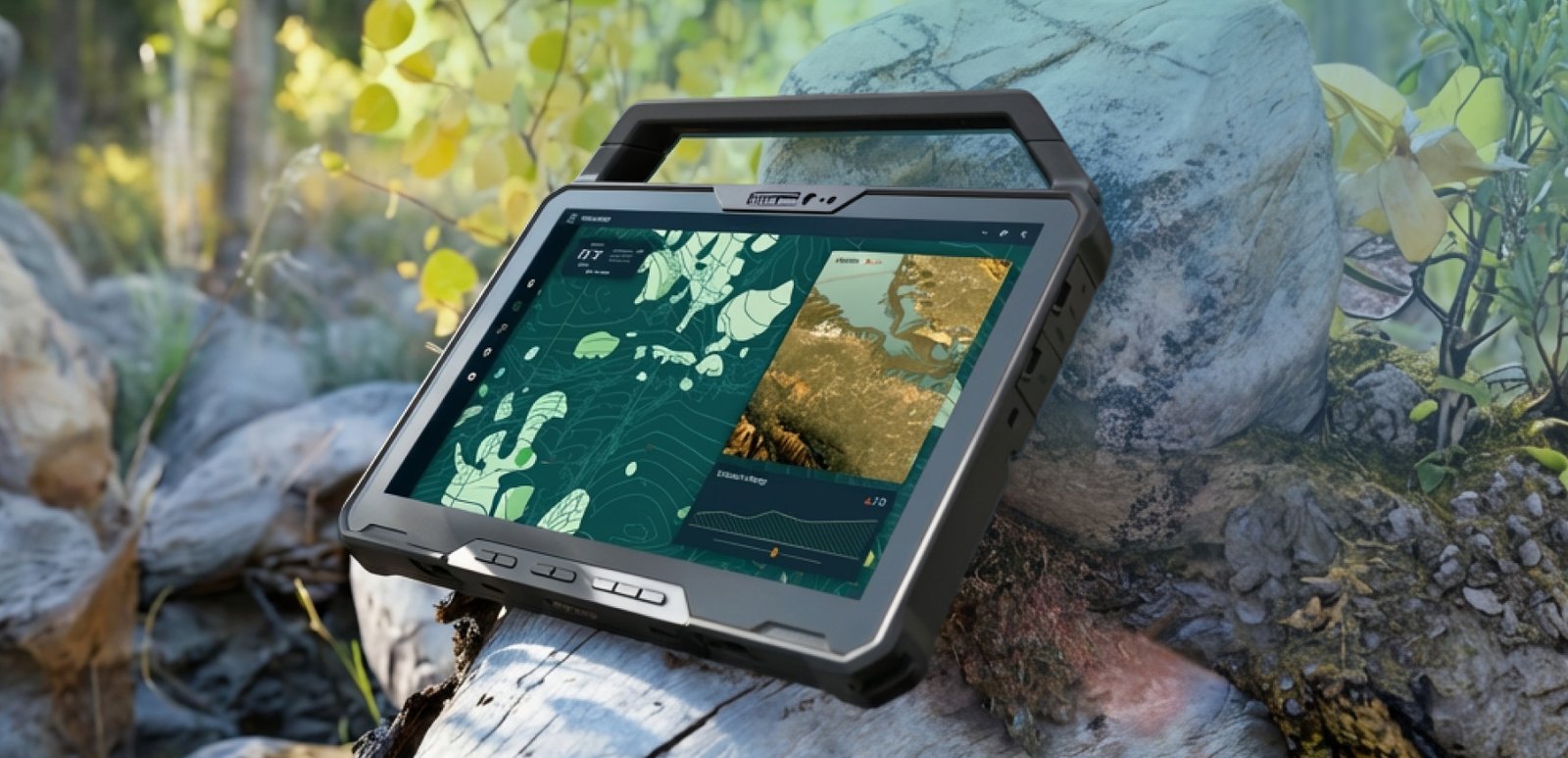
Field operations have always faced a difficult reality. Work rarely happens in controlled environments. Technicians troubleshoot equipment outdoors, logistics teams manage shipments in moving vehicles, and engineers inspect infrastructure in locations where dust, vibration, and weather are constant factors. This is where portable computing devices designed specifically for field operations have become essential. Modern portable computers are no longer just smaller versions of office machines. They are purpose-built tools that enable teams to access data, run applications, and communicate in real time regardless of location.
As companies digitize their operations and rely more heavily on real-time data, these devices are becoming a core part of operational infrastructure. Providers such as Arise-O-Tech are helping industries deploy computing solutions designed to withstand demanding environments while maintaining performance and connectivity. In this article, we explore the key trends shaping portable computing technology and how they are transforming field operations across industries.
Portable computing has evolved significantly over the past two decades.
Early mobile systems focused mainly on portability. Devices became smaller and lighter, but they were still designed for controlled indoor use. Field teams often had to compromise durability for mobility.
Today the priorities have shifted. Modern field devices must combine several capabilities simultaneously:
Industries such as defense, utilities, transportation, and manufacturing now depend on specialized computing devices that support these requirements.
The shift is not just technological. It reflects a deeper change in how organizations manage operations. Data collection, monitoring, and decision-making are increasingly happening at the edge rather than only at centralized offices.
Portable computing devices make this shift possible.
Field environments introduce challenges that traditional laptops cannot reliably handle.
Devices used outdoors or on industrial sites must withstand conditions such as:
Standard devices often fail under these conditions, leading to repair costs and workflow interruptions.
Field teams frequently operate in locations where stable internet connections are unavailable. Portable computers must support multiple connectivity options including cellular networks, satellite communication, and offline data storage.
Modern field operations depend on real-time insights. Engineers may need to run diagnostics on equipment, access digital blueprints, or analyze sensor data directly on-site.
Portable computing devices must provide sufficient processing capability without sacrificing mobility.
Battery life becomes critical when technicians spend entire shifts away from charging points. Field devices often include extended battery systems or hot-swappable battery designs to prevent downtime.
These requirements explain why organizations are increasingly investing in purpose-built portable computing hardware rather than adapting consumer devices.
Several technological trends are reshaping how portable computing devices support field operations.
One of the most significant developments is the rise of ruggedized computing hardware.
Rugged portable computers are designed to operate reliably in harsh environments. They typically meet military-grade durability standards and include reinforced casings, sealed ports, and shock-resistant components.
This allows technicians to work confidently in environments such as construction sites, oil fields, and remote infrastructure facilities.
Field operations increasingly rely on edge computing, where data processing happens closer to where data is generated.
Portable computers equipped with powerful processors can analyze data directly in the field. This reduces latency and allows teams to make immediate decisions without waiting for cloud processing.
For example, maintenance teams can run diagnostic software on-site to identify equipment issues before they escalate into failures.
Connectivity remains one of the biggest challenges in field environments.
Modern portable computing devices now integrate multiple communication technologies such as:
This multi-network approach ensures devices remain connected even in remote areas where traditional networks are unreliable.
Industrial environments are increasingly filled with connected sensors and devices.
Portable computers now function as gateways between technicians and these IoT systems. Field teams can monitor equipment performance, retrieve sensor data, and adjust operational settings directly from their devices.
This integration significantly reduces the time required to diagnose and resolve operational issues.
Battery technology has improved substantially, allowing portable computers to operate for longer periods without charging.
Energy-efficient processors and optimized operating systems allow devices to maintain high performance while conserving power.
In many field environments, this improvement directly translates into increased productivity.
Several industries are accelerating the adoption of specialized portable computers due to operational requirements.
Military and defense operations require computing systems that function reliably under extreme conditions. Portable computing devices support mission planning, communication, and data analysis in field environments.
Technicians responsible for power grids, water systems, and telecommunications networks often work in remote locations. Portable computers enable them to diagnose issues and update systems without returning to centralized offices.
Logistics companies depend on real-time tracking, route optimization, and inventory management. Portable computing devices allow field personnel to access operational data while on the move.
Factory maintenance teams and engineers rely on portable computers to run diagnostics, review technical documentation, and coordinate repairs.
These industries demonstrate how mobile computing is becoming essential to operational efficiency.
Organizations evaluating portable computers for field operations often focus only on hardware specifications. A more effective approach considers operational requirements.
The following framework can help guide decision-making.
When selecting portable computing devices, organizations should evaluate five key factors:
1. Environmental Compatibility
Assess whether the device can withstand the environmental conditions where it will be used.
2. Processing Requirements
Identify the software applications that will run on the device and ensure sufficient computing power.
3. Connectivity Infrastructure
Determine the types of networks available in field locations and choose devices that support them.
4. Battery and Power Management
Evaluate whether battery life and charging options match the operational schedule of field teams.
5. Integration with Existing Systems
Ensure compatibility with enterprise software, IoT platforms, and data management systems.
This structured approach prevents organizations from investing in hardware that performs well on paper but fails in real-world conditions.
Looking ahead, several emerging technologies are expected to further expand the capabilities of portable computing devices.
Artificial intelligence is increasingly integrated into portable computers to assist technicians during inspections and maintenance tasks.
AI-powered diagnostics can analyze sensor data and suggest potential causes of equipment issues, reducing troubleshooting time.
Portable computing devices are beginning to support augmented reality tools that guide technicians during complex procedures.
Field engineers can view step-by-step instructions overlaid on equipment, improving accuracy and reducing training requirements.
Future devices may adopt modular architectures that allow components such as batteries, communication modules, and sensors to be replaced or upgraded easily.
This flexibility extends device lifecycles and reduces long-term operational costs.
One of the most important changes in the industry is conceptual rather than technical.
Portable computing devices are no longer simply tools for accessing information. They are becoming mobile workstations capable of performing complex tasks independently of centralized systems.
This shift has several implications:
Organizations that recognize this shift early can redesign workflows to take advantage of real-time decision-making in the field.
Field operations are becoming increasingly data-driven, and the ability to process and access information outside traditional offices is now essential. Modern portable computing devices provide the durability, performance, and connectivity required to support this transformation. By enabling real-time decision-making and seamless access to operational systems, these devices are redefining how field teams work. The organizations that benefit the most are those that treat portable computers not merely as mobile tools but as core components of their operational infrastructure.
As technology continues to evolve, companies such as Arise-O-Tech are helping industries deploy computing solutions designed specifically for demanding environments.