


Uploaded on - 17 December 2025
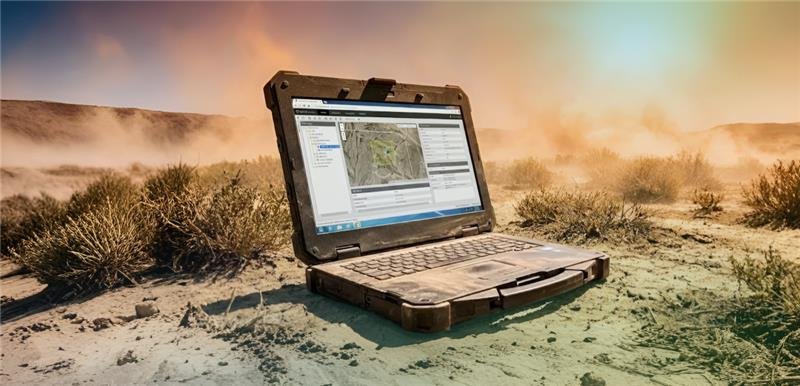
In real-world work environments, computers are rarely treated gently. Construction sites, factories, deserts, military zones, and emergency response locations expose devices to dust, extreme heat, constant vibration, and sudden drops. Standard laptops are built for offices, not for these harsh conditions. That’s why ruggedized computers exist. They are designed specifically to survive where regular systems fail. These machines are tested in real field conditions, not just labs. Professionals rely on them because downtime can mean lost money, safety risks, or delayed operations. This article explains how ruggedized computers handle dust, heat, vibration, and impact in real-life scenarios. You’ll also learn what makes them different, how they’re tested, and whether they’re worth the investment. If your work happens outside clean offices, this guide is for you.
Ruggedized computers are specially built devices designed to operate reliably in extreme environments. Unlike regular laptops or tablets, they use reinforced materials, sealed designs, and industrial-grade components. These systems are commonly used in defense, construction, manufacturing, oil and gas, logistics, and public safety.
Ruggedized computers are not just tougher on the outside. Internally, every component is selected to withstand environmental stress and continuous use.
Dust can destroy normal computers by clogging fans and damaging internal circuits. In outdoor or industrial locations, dust exposure is unavoidable.
Ruggedized computers prevent dust damage through:
Field teams working in mining and desert environments report that ruggedized computers continue operating for years, while standard laptops fail within months.
High temperatures cause most consumer devices to overheat or shut down. Ruggedized computers are built to operate in both extreme heat and cold.
They manage heat using:
These devices are tested under military-grade standards to ensure they perform reliably even in scorching environments like oil fields and outdoor construction zones.
Vibration from vehicles, heavy machinery, or industrial equipment can loosen components and damage hard drives.
Ruggedized computers are vibration-resistant because they use:
This makes them reliable for use in trucks, forklifts, military vehicles, and factory floors.
Accidental drops are common in fast-moving work environments. Ruggedized computers are designed to survive these incidents.
They include:
Many ruggedized computers meet military drop-test standards, proving their ability to survive repeated impacts.
Durability claims are backed by recognized testing standards. Look for devices certified under:
These certifications ensure ruggedized computers perform as promised in real-world conditions.
Although ruggedized computers cost more upfront, they last longer and reduce downtime. For businesses operating in harsh environments, the total cost of ownership is often lower than repeatedly replacing consumer-grade devices.
Ruggedized computers are built for reality, not ideal conditions. Their ability to survive dust, heat, vibration, and impact makes them essential tools for demanding industries. If your work environment is tough, investing in rugged computers means fewer failures, less downtime, and more dependable performance.
FAQ
Are ruggedized computers waterproof?

Most are water-resistant and can handle rain, splashes, and temporary immersion depending on their IP rating.
Can ruggedized computers run regular software?
Yes, they support standard operating systems and applications just like normal computers.
How long do ruggedized computers last?
They typically last two to three times longer than standard laptops in harsh conditions.
Do they require special maintenance?
Very little. Their sealed design reduces dust buildup and internal damage.