


Uploaded on - 5 January 2026
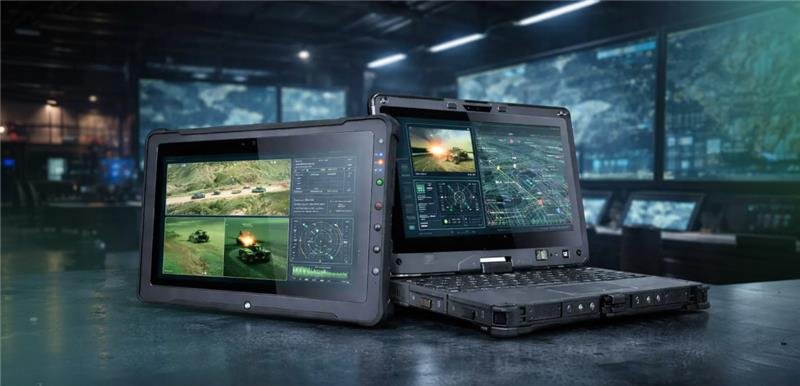
In modern defence operations, information visibility can be the difference between mission success and failure. From battlefield vehicles and naval command rooms to portable soldier systems, displays are no longer just screens – they are mission-critical interfaces. This is where rugged display military systems come into play. Unlike commercial displays, military-grade rugged displays are designed to operate flawlessly under extreme conditions – shock, vibration, dust, moisture, electromagnetic interference, and wide temperature ranges. For defence buyers, sourcing the right rugged display is not about price alone; it’s about reliability, compliance, and long-term performance.
This guide breaks down exactly what defence procurement teams, system integrators, and OEMs must check before sourcing rugged display solutions for military use.
Search intent: Informational with high commercial relevance
Defence buyers searching for rugged military displays solutions want to:
This article addresses those needs directly.
A rugged display military system is a display unit engineered specifically for defence and tactical environments. Arise-O-Tech built these systems to withstand conditions that would instantly damage standard commercial displays.
They are commonly used in:
Before anything else, confirm compliance with recognised military standards.
Most critical standards include:
Buyer tip: Always ask for test reports, not just certificates.
Military deployments rarely happen in controlled environments.
Check if the rugged display supports:
A true rugged display military solution must perform consistently—whether in deserts, high-altitude regions, or maritime conditions.
Visibility is mission-critical in outdoor and vehicle-based operations.
Look for:
These features ensure readability under direct sunlight and harsh lighting environments.
Electronic interference can disrupt defence systems.
Military-grade rugged displays must:
This is especially important when displays are integrated into larger weapon or communication systems.
Defence systems are deployed for 10–15 years or more.
Before sourcing, confirm:
From experience, many defence programs fail due to short lifecycle consumer-grade components being used in early prototypes.
Off-the-shelf rarely fits defence needs perfectly.
A reliable rugged display military supplier should offer:
This is where EEAT truly matters.
Evaluate suppliers based on:
Expert insight: Defence buyers should prioritize engineering capability over marketing claims. A technically strong supplier reduces risk across the entire program lifecycle.
Avoiding these mistakes can save years of delays and requalification costs.
Sourcing the right rugged display military system is a strategic decision, not a procurement shortcut. Defence buyers must balance performance, compliance, reliability, and long-term support to ensure mission success. When evaluated correctly, rugged military displays become dependable assets that perform under pressure – exactly when they are needed most.
FAQ
What makes a display suitable for military use?

Military suitability depends on compliance with MIL standards, environmental resistance, EMI protection, and long lifecycle support.
Are rugged LCD displays different from rugged military displays?
Yes. Rugged LCD displays may be industrial-grade, while rugged military displays are designed specifically to meet defence standards and operational demands.
How long do rugged display military systems typically last?
With proper lifecycle support, they can last 10–15 years or more in active deployment.
Can rugged military displays be customized?
Most defence-grade suppliers offer customization for size, interfaces, brightness, enclosures, and system integration.