


Uploaded on - 10 December 2025
Choosing the right connector can make or break the performance of your RF system. Whether you are building antennas, setting up a communication network or optimizing signal flow in IoT equipment, understanding the difference between a standard coaxial cable connector and various RF connectors is essential. Many users struggle with issues like signal loss, impedance mismatch and confusing connector types. This guide simplifies everything so you can confidently select the connector that delivers the best performance for your application.
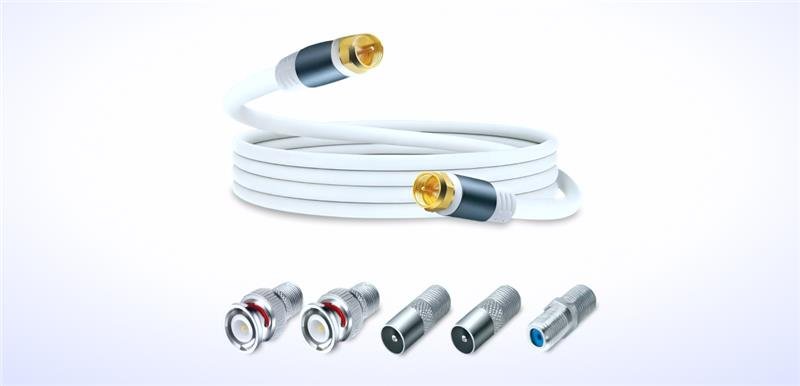
A coaxial cable connector is a specialized component that attaches to coaxial cables to create secure electrical connections for high-frequency signal transmission. These connectors are designed to maintain the cable’s shielding, impedance and frequency-handling properties. They are popularly used in telecom networks, military communication devices, satellite systems, CCTV installations and RF equipment.
A high-quality connector improves signal flow, reduces interference and ensures long-term reliability. Poor quality or incorrect connectors often lead to:
Coaxial connectors are built to manage high-frequency signals with minimal loss. Arise-o-Tech’s RF connectors like waveguide connectors, PCB RF connectors and modular RF terminals serve different use-cases. When comparing them, consider:
Expert Insight:
Based on field experience in telecom installations, coaxial connectors outperform most general RF connectors for long-cable, high-shielding applications.
Ideal For:
Strengths:
These include SMA, SMB, QMA, TNC, BNC, N Type and waveguide connectors.
Best For:
Strengths:
Selecting the correct connector depends on your project requirements. Here is a quick framework:
Higher-frequency applications (above 10 GHz) may require SMA, N Type or waveguide connectors.
For moderate-frequency systems, a coaxial cable connector is usually sufficient.
Most systems use 50 ohm or 75 ohm configurations.
A mismatch leads to reflection and performance loss.
Outdoor setups require weatherproof connectors like N Type or TNC.
Indoor systems typically work well with BNC or SMA.
Compact devices such as drones, sensors or handheld communication tools may need micro RF connectors instead of standard coaxial connectors.
You should choose an alternative RF connector if your system requires:
Understanding how a coaxial cable connector compares with other RF connectors helps you make the right choice for performance, reliability and long-term system efficiency. Coaxial connectors remain the strongest choice for most communication, broadcasting and telecom applications unless you require extremely high frequencies or compact specialized RF solutions.
FAQ
Is a coaxial cable connector suitable for high-frequency RF systems ?

Yes, but only up to its supported frequency range. For extremely high frequencies, SMA or N Type connectors may perform better.
What is the most common type of coaxial connector used in telecom ?
N Type and BNC connectors are widely used due to their stability and low signal loss.
Can I use any RF connector with any coaxial cable ?
No. The connector must match the cable type, impedance and diameter for proper signal flow.
Are coaxial connectors weatherproof ?
Some versions like N Type and TNC come in rugged, waterproof designs for outdoor environments.
Which connector gives the least signal loss ?
SMA, N Type and high-quality coaxial connectors generally offer very low insertion loss when installed properly.